
Introduction
Packaging plays an important role in protecting products during storage, handling, and transportation. Businesses that manufacture, distribute, and export goods need packaging materials that help maintain product stability and reduce the risk of damage. When products are stacked, bundled, or transported, their edges and corners may experience pressure. Angle boards provide additional support to these vulnerable areas and help strengthen packaging arrangements.
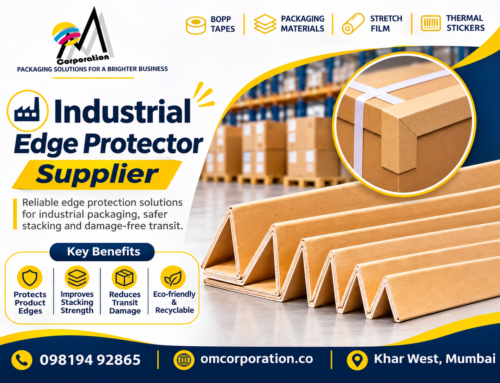
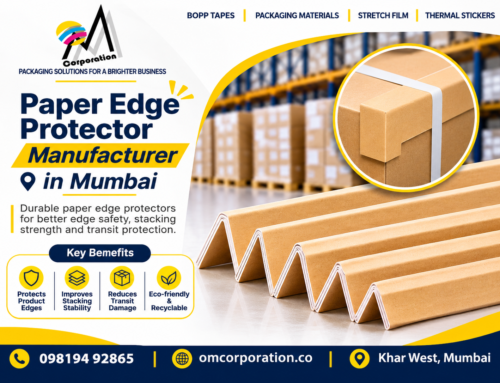
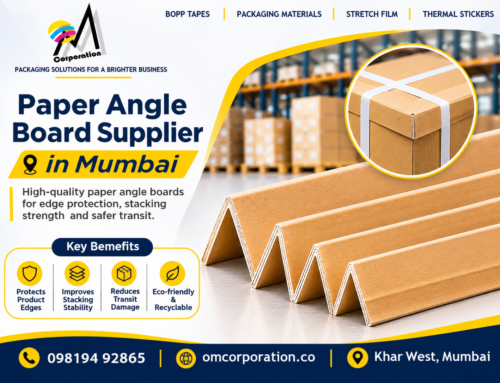
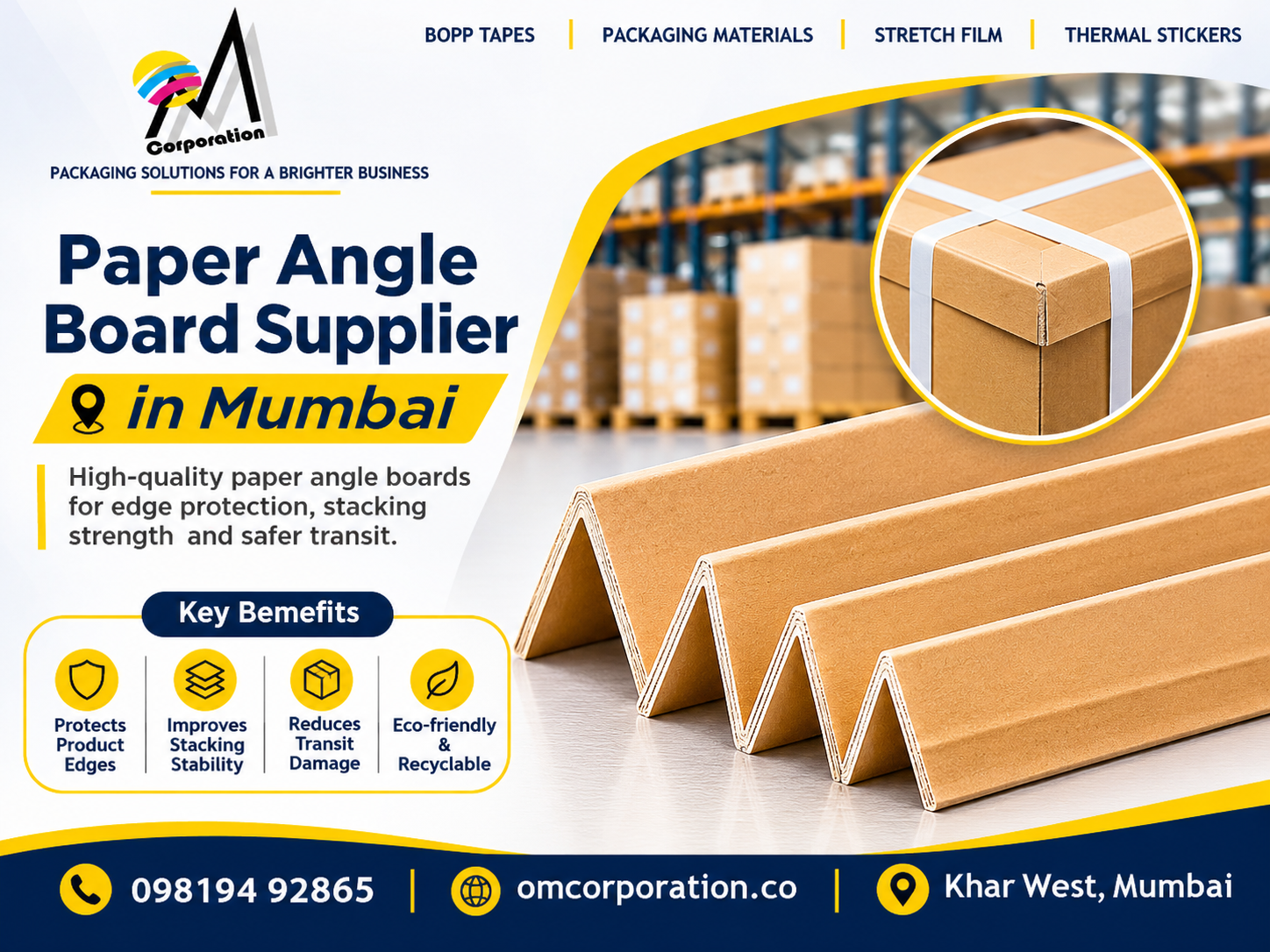
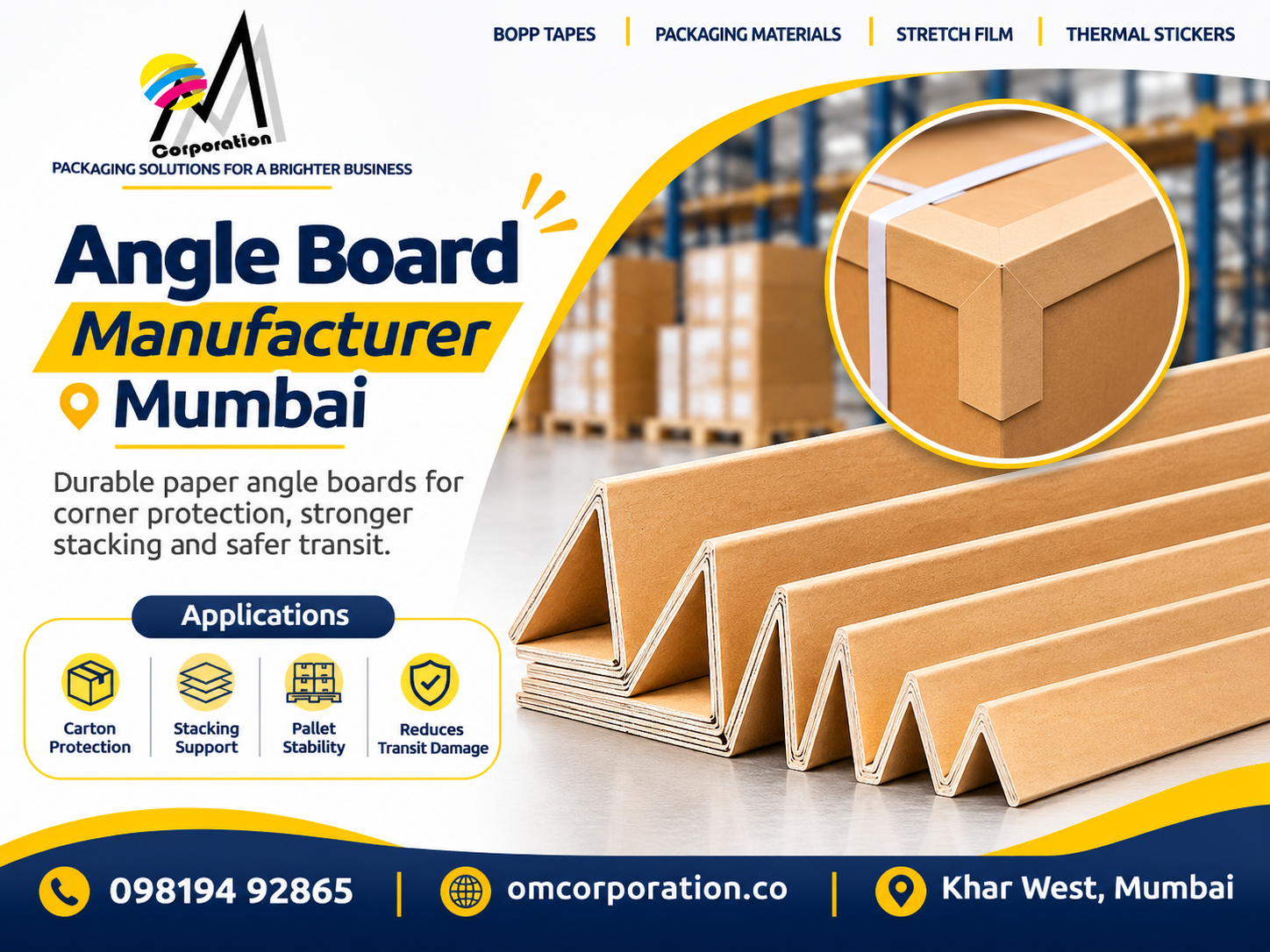
An angle board, also known as a paper angle board or paper edge protector, is a protective packaging product generally made from layers of paperboard. Its angular shape allows it to fit along the edges of packaged goods, cartons, and palletised loads. It can help protect product edges, distribute pressure, and support the overall packaging structure.
Businesses searching for an Angle Board Manufacturer in Mumbai often look for suitable packaging materials for industrial products, furniture, appliances, cartons, and palletised shipments. Selecting the correct angle board requires attention to dimensions, thickness, length, product weight, and transportation conditions.
Om Corporation, located in Khar West, Mumbai, Maharashtra, offers packaging-related product solutions for businesses. Companies looking for angle boards and other protective packaging materials can contact Om Corporation to discuss their requirements and confirm suitable product specifications.
What Is an Angle Board?
An angle board is a rigid protective packaging component designed with an angular profile. It is commonly used along the edges of products and packages to provide additional support and protection.
Paper angle boards are generally manufactured using multiple layers of paperboard bonded together. Their construction helps create a firm protective structure that can be used in different packaging applications.
Angle boards are commonly placed along the vertical or horizontal edges of cartons, bundles, and palletised goods. They can also be used with stretch film and strapping materials as part of a complete packaging arrangement.
The dimensions and construction of an angle board should be selected according to the product being packed and the level of support required.
Why Are Angle Boards Important in Packaging?
During transportation, products may experience pressure from stacking, movement, loading, and unloading. Exposed edges can be particularly vulnerable when packages are placed close together or secured with straps.
Angle boards help reinforce these areas and contribute to more organised packaging.
1. Edge Protection
One of the primary uses of angle boards is protecting exposed product and package edges. They provide an additional protective layer that can help reduce damage caused by contact and handling.
2. Improved Load Stability
When used on palletised products, angle boards can help reinforce the outer edges of stacked cartons or bundled materials. They can work alongside stretch wrapping and strapping to support the packaging arrangement.
3. Pressure Distribution
Strapping can create concentrated pressure on the edges of packaged products. Angle boards provide a firmer surface that can help distribute this pressure over a wider area.
4. Support During Transportation
Products may be handled several times before reaching their destination. Angle boards help reinforce selected packaging areas during storage, movement, and transportation.
5. Better Packaging Organisation
Using angle boards can help create a more structured packaging arrangement, especially when several cartons or products are bundled together.
Types of Angle Boards Used in Packaging
Different packaging applications may require different types of angle boards. Buyers should select a product according to the shape, dimensions, and weight of the goods.
Paper Angle Boards
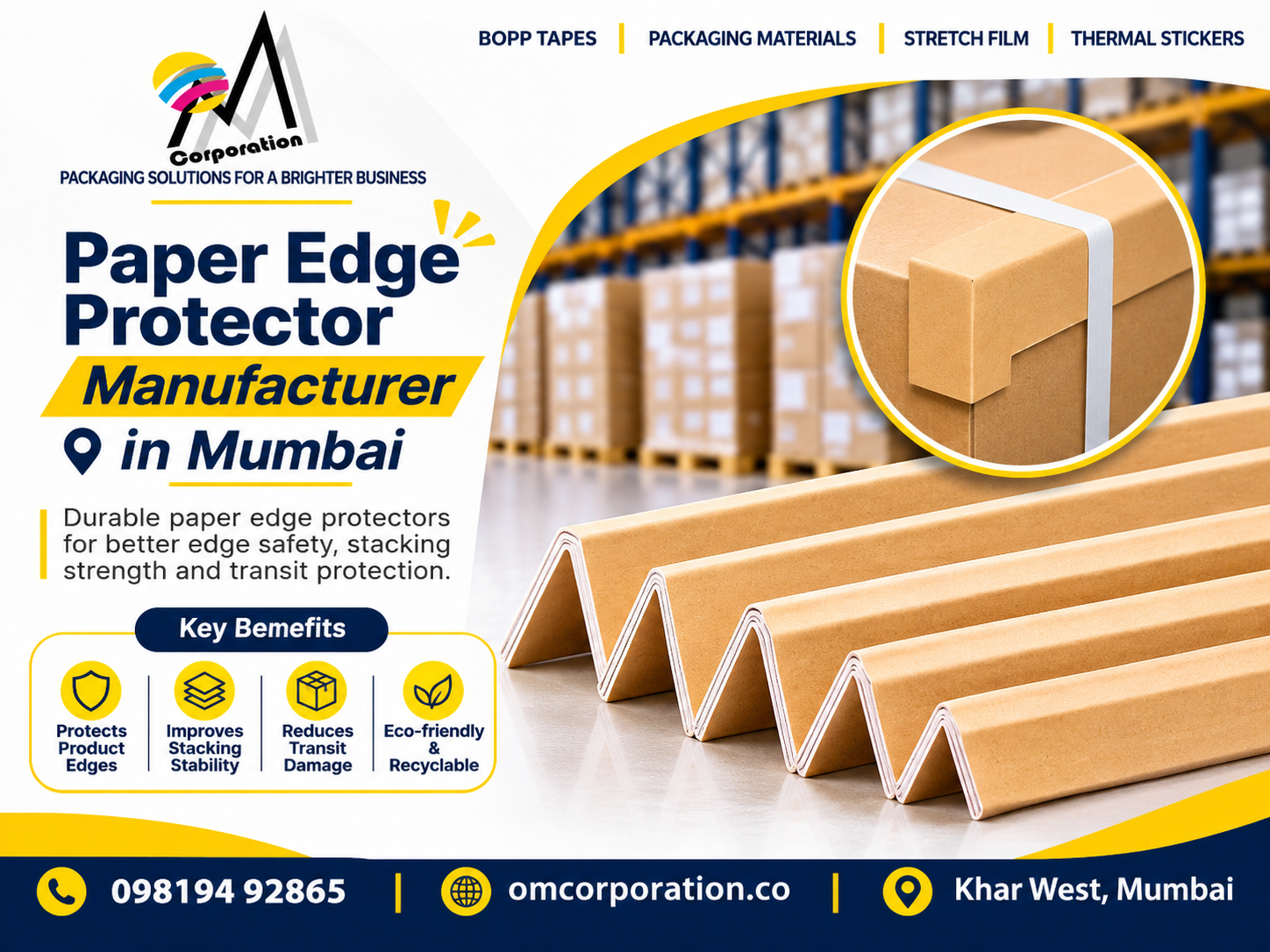
Paper angle boards are made using layers of paperboard and are commonly used for edge protection and packaging reinforcement. They can be applied to cartons, furniture, appliances, and palletised products.
Corrugated Angle Boards
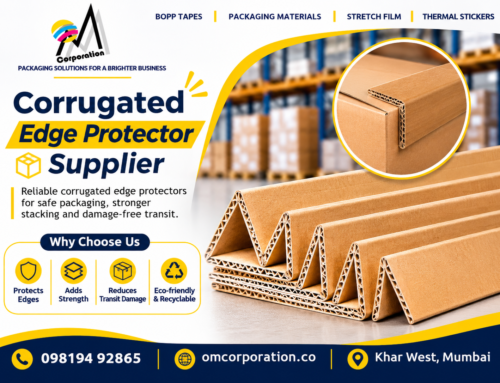
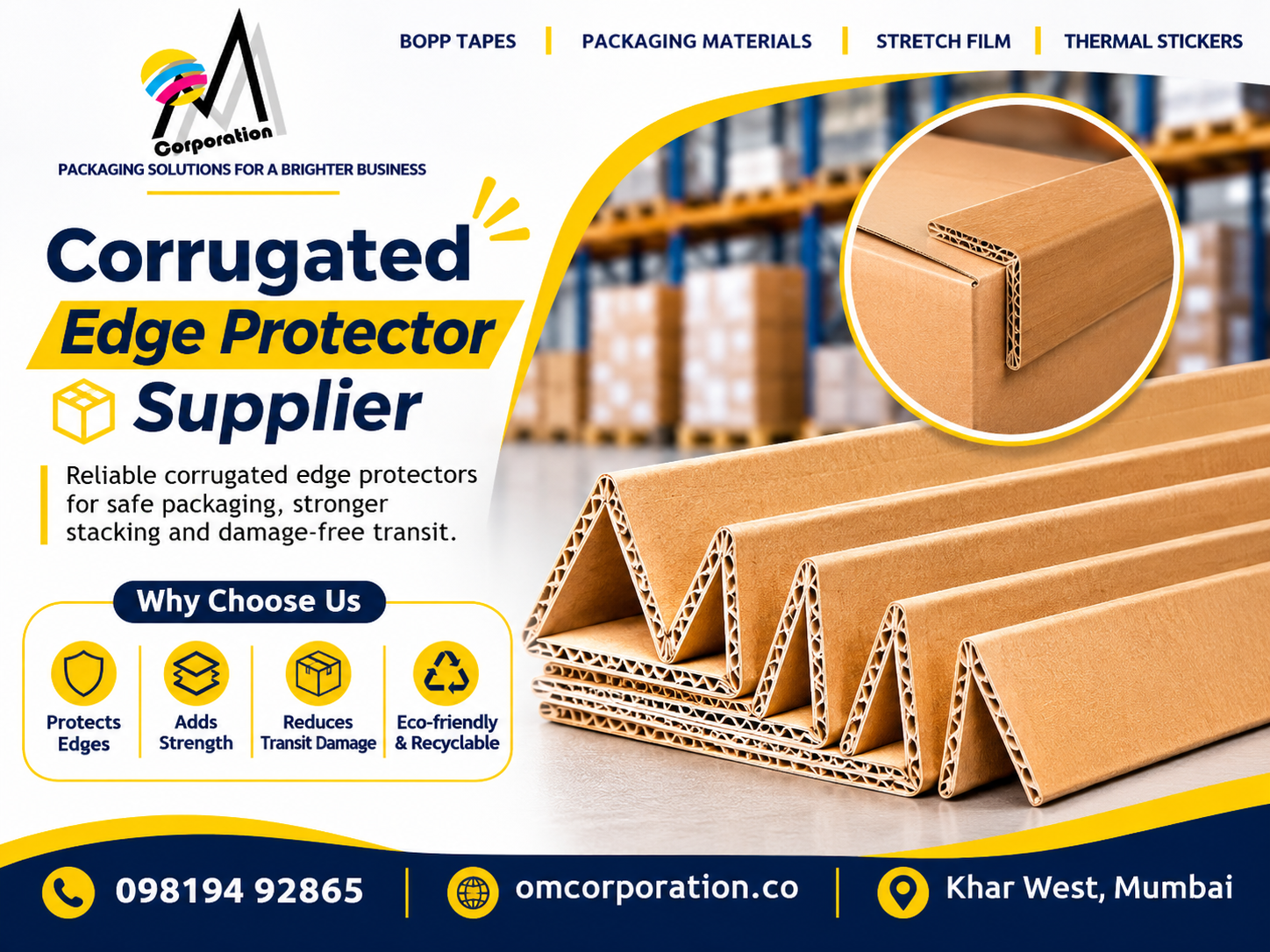
Corrugated angle boards use corrugated paper-based construction for suitable packaging applications. Their suitability depends on the product requirements and the packaging conditions.
Industrial Angle Boards
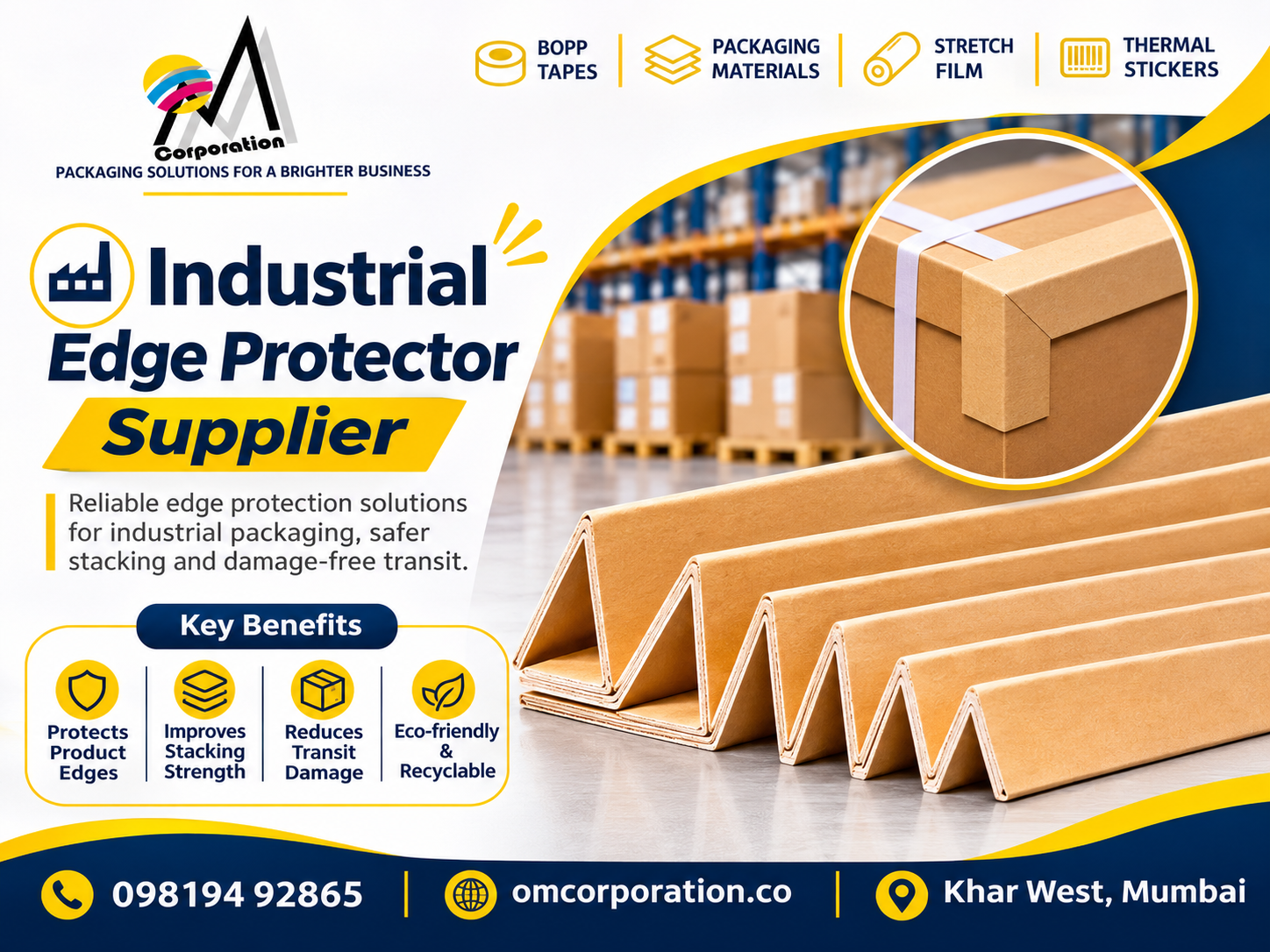
Industrial applications may require angle boards with specific dimensions and construction characteristics. These products are used to reinforce packaged goods and support handling requirements.
Custom-Specification Angle Boards
Some packaging applications require specific lengths, thicknesses, or profiles. Buyers should discuss their product dimensions and intended use with the supplier to determine suitable specifications.
Applications of Angle Boards Across Industries
Angle boards are used in multiple industries where products need additional edge support during storage and transportation.
Manufacturing Industry
Manufacturing businesses often transport finished goods, components, and semi-finished materials. Angle boards can be used to reinforce the edges of packaged products and support safer handling arrangements.
Furniture Industry
Furniture products such as tables, cabinets, shelves, wardrobes, and other large items may have exposed corners and edges. Angle boards can be incorporated into furniture packaging to help protect these areas.
Electronics and Appliances
Electronic equipment and household appliances are commonly packed in cartons before distribution. Angle boards can provide additional reinforcement around selected packaging edges.
Glass and Panel Products
Glass sheets, mirrors, and panel products require carefully planned protective packaging. Suitable edge protection can form part of a broader packaging system designed around the product’s fragility and dimensions.
Metal and Steel Products
Metal sheets, profiles, and bundled industrial components may have exposed edges that require protection. Angle boards can be used where their specifications are suitable for the application.
Warehousing and Distribution
Warehouses handle large volumes of products that may be stacked, moved, and stored for different periods. Angle boards can support packaging reinforcement for cartons and bundled goods.
Export Packaging
Products prepared for export may pass through several stages of handling and transportation. Businesses can incorporate angle boards into their packaging systems to reinforce edges and support palletised loads.
Benefits of Using Paper Angle Boards
Paper angle boards offer several practical benefits when selected and used according to the packaging application.
- Edge reinforcement: Helps protect vulnerable package edges.
- Packaging support: Can strengthen selected areas of packaged goods.
- Pressure distribution: Helps distribute pressure from strapping across protected edges.
- Pallet packaging: Can be used with stretch film and strapping for palletised loads.
- Multiple applications: Suitable for various product categories, subject to specification.
- Convenient integration: Can be included in existing packaging processes.
- Organised handling: Helps create a more structured packaging arrangement.
The actual performance of an angle board depends on its material construction, dimensions, thickness, and application conditions. Buyers should confirm suitability before ordering.
How to Choose the Right Angle Board
Selecting the correct angle board is important for achieving the required level of packaging support. Before placing an order, businesses should evaluate several factors.
1. Product Dimensions
Measure the length, width, and height of the product or package. The angle board should cover the required edge area without interfering with the packaging process.
2. Thickness
Thickness influences the construction and support characteristics of an angle board. Different products and load conditions may require different thickness specifications.
3. Length
The required length depends on the dimensions of the goods and the area that needs reinforcement. Buyers should provide accurate measurements when requesting a quotation.
4. Product Weight
The weight of the packaged product is an important consideration. Heavy goods and palletised loads may require different specifications from lightweight cartons.
5. Packaging Method
Consider whether the angle board will be used with stretch film, strapping, corrugated cartons, or other packaging materials. The product should be compatible with the overall packaging arrangement.
6. Transportation Conditions
Products transported over long distances or handled repeatedly may require carefully planned edge protection. Consider the storage, loading, unloading, and transportation process.
7. Application Requirements
A product packed for retail distribution may have different packaging requirements from an industrial component transported on a pallet. Select angle boards according to the intended application.
Angle Boards for Pallet Packaging
Pallet packaging is widely used for transporting multiple cartons or bundled products together. During movement and storage, palletised loads may experience pressure, vibration, and handling-related movement.
Angle boards can be placed along the vertical edges of palletised products. They provide additional support to the corners and edges of the stacked arrangement.
When used with stretch film and strapping, angle boards can become part of an organised pallet packaging system.
Businesses should consider pallet dimensions, load height, product weight, and strapping requirements when selecting suitable angle boards. The correct specification helps ensure that the protective packaging fits the load properly.
Difference Between Angle Boards and Other Protective Packaging Materials
Several protective packaging products are available for different applications. Understanding their purpose can help businesses select suitable materials.
Angle Board
An angle board has an angular profile and is commonly used to reinforce or protect product edges. It can also be used in pallet packaging.
Paper Edge Protector
A paper edge protector is designed to protect exposed edges and can be used in different packaging arrangements. Some products are also referred to as paper angle boards.
Paper Corner Protector
A paper corner protector focuses on protecting the corners of products or packages. It is useful where corner protection is the primary requirement.
Corrugated Edge Protector
A corrugated edge protector is a paper-based protective component designed for suitable edge protection applications. Its construction and performance depend on the specifications.
Stretch Film
Stretch film is used to wrap and secure products or palletised loads. It serves a different purpose from angle boards, but both can be used together in packaging.
Common Mistakes to Avoid When Selecting Angle Boards
Choosing an unsuitable angle board or using it incorrectly can affect packaging performance. Businesses should avoid these common mistakes.
Selecting the Wrong Thickness
A thickness that does not match the product and load requirements may not provide the intended support. Discuss the application before confirming specifications.
Ignoring Product Dimensions
Incorrect measurements can result in angle boards that are too short, too long, or unsuitable for the package.
Overlooking Strapping Pressure
When strapping is used, businesses should consider the pressure applied to the packaged goods. Suitable edge protection can help distribute pressure along the protected areas.
Not Considering Transportation Conditions
Packaging requirements may differ depending on storage duration, distance, handling frequency, and transportation method.
Using Angle Boards Without a Complete Packaging Plan
Angle boards are one component of a packaging system. They should be used with suitable cartons, wrapping, strapping, and other protective materials where required.
Why Choose a Suitable Angle Board Supplier in Mumbai?
Businesses in Mumbai and surrounding industrial markets require packaging materials for manufacturing, warehousing, distribution, and transportation activities.
When selecting an angle board supplier, buyers should look for clear communication, product understanding, and the ability to discuss specifications.
Important points to consider include:
- Understanding of the intended packaging application.
- Clear discussion of length, thickness, and dimensions.
- Compatibility with the existing packaging system.
- Information about available product specifications.
- Communication about quantities and order requirements.
- Support in identifying an appropriate packaging solution.
Om Corporation, based in Khar West, Mumbai, Maharashtra, can be contacted for enquiries related to angle boards and other packaging material requirements.
Angle Board Manufacturer in Mumbai – Packaging Requirements
Businesses searching for an Angle Board Manufacturer in Mumbai may have different requirements depending on their products and packaging processes. Some may need angle boards for palletised cartons, while others may require edge protection for furniture, appliances, industrial materials, or bundled goods.
Before selecting a product, buyers should identify the areas that require protection and share the relevant measurements with the supplier.
A suitable angle board should fit the product dimensions and work effectively with the other packaging materials being used.
Om Corporation serves businesses looking for packaging-related product solutions in Mumbai. Contact the company to discuss your requirements and confirm product availability and specifications.
Frequently Asked Questions (FAQs)
1. What is an angle board used for?
An angle board is used to protect and reinforce the edges of packaged products. It is commonly used with cartons, bundled goods, and palletised loads.
2. What is a paper angle board?
A paper angle board is a protective packaging component generally made from multiple layers of paperboard. Its angular profile allows it to fit along product edges.
3. Are angle boards suitable for pallet packaging?
Yes. Angle boards can be placed along the edges of palletised products and used with suitable stretch film and strapping materials.
4. Which industries use angle boards?
Manufacturing, furniture, electronics, appliances, glass, metal, warehousing, and distribution businesses may use angle boards for packaging protection.
5. How do I select the correct angle board thickness?
The required thickness depends on product weight, dimensions, packaging design, and handling conditions. Discuss these details with your supplier before ordering.
6. Can angle boards be used with stretch film?
Yes. Angle boards can be used with stretch film as part of a pallet packaging arrangement. They provide edge support while stretch film helps secure the load.
7. What is the difference between an angle board and a corner protector?
An angle board generally reinforces or protects a longer edge, while a corner protector focuses on protecting a specific corner area.
8. Can angle boards protect furniture during transportation?
They can be incorporated into furniture packaging to help protect exposed edges and corners, depending on the product design and packaging requirements.
9. What details should I provide when requesting an angle board quotation?
Share the required length, thickness, dimensions, quantity, product weight, and intended application. These details help the supplier understand your packaging requirements.
10. Where can I enquire about angle boards in Mumbai?
You can contact Om Corporation in Khar West, Mumbai, Maharashtra, to discuss angle board and other packaging material requirements.
Contact Om Corporation
Looking for angle boards for industrial packaging, pallet protection, or product edge reinforcement? Contact Om Corporation to discuss your packaging requirements and confirm suitable product specifications.
Company Name: Om Corporation
Location: Khar West, Mumbai, Maharashtra
Phone: 098194 92865
Website: omcorporation.co
Get in touch with Om Corporation for packaging-related enquiries and protective packaging solutions.